What Happens During a Soft Wash, Step by Step
You've booked a roof clean, or you're thinking about it, and you're not entirely sure what you've signed up for. Is someone going to be up there blasting away with a jet washer? Will it be noisy, messy, done in an hour? Knowing what actually happens takes the mystery out of it and helps you see why the gentle approach is the right one for most Chester roofs.
Soft washing is the method most professionals use on pitched slate and tile roofs, and it's very different from the high-pressure blasting a lot of people picture. It's slower, more careful, and built around treating the moss rather than just scraping it. Here's how the job runs from start to finish.
The quick answer: A soft wash means surveying the roof, protecting the area, gently removing loose growth at low pressure, then applying a biocide that kills moss and algae at the root.
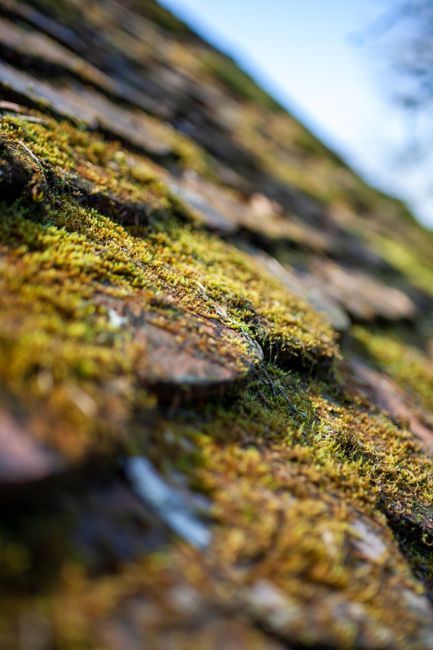
1. The Survey and Safe Access
Every job starts with a proper look at the roof, not the cleaning. That first check tells us what kind of tiles you have, how much moss is up there, whether any tiles are cracked or slipped, and how best to reach it all safely. On Chester's mix of Victorian slate and newer tiled estates, no two roofs are quite the same, so this step shapes everything that follows.
Access gets sorted next. Depending on the height and layout of the house, that might mean scaffold towers, a cherry picker, or long-reach equipment worked from the ground. Chester has plenty of tall terraces where safe access is the whole challenge, so getting it right before anyone goes near the roof is what keeps the job safe and steady.
2. Protecting the Area Below
Before any water or treatment goes on the roof, the ground and everything around it gets protected. Moss comes off in wet, dirty clumps, and it has to land somewhere, so plants, patios, paths and drains all need covering or shielding first. Nobody wants a clean roof and a garden buried under moss.
This matters more on Chester's older terraced streets, where houses sit close together and there's often not much room between the wall and the pavement or the neighbour's boundary. Taking care of downpipes and gullies at this stage stops loose moss washing straight into the drains and causing a blockage further down the line.
3. Removing the Loose Growth
With everything protected, the loose moss comes off first. This is done gently, often by hand or with low-pressure water, rather than by blasting. Thick moss that's sitting on top of the tiles gets cleared away so the treatment can reach the surface underneath, where the real growth is rooted.
The key word here is gentle. High pressure would strip the surface off Chester's older Welsh slate and force water under the tiles, so a soft wash keeps the pressure low and lets patience do the work. You lift off the bulk of the growth without stressing the tiles, which is exactly what a period roof needs.
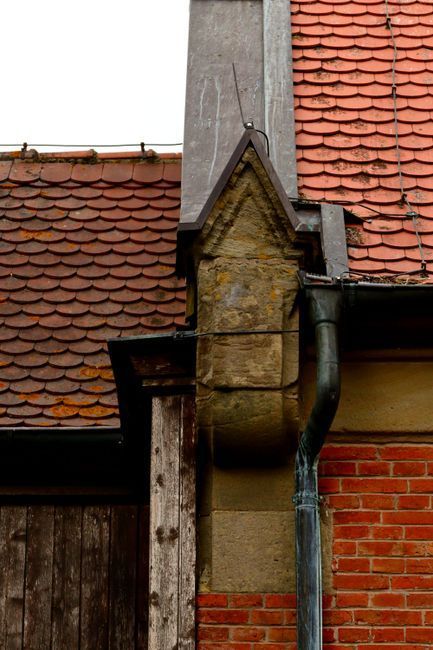
4. Applying the Biocide Treatment
Here's the step that makes a soft wash last. Once the loose growth is off, a biocide treatment is applied across the roof. This soaks into the surface and kills the moss, algae and lichen at the root, including the spores you can't see. It's the part that stops everything simply growing straight back.
The treatment is left to do its work over the following weeks. Rather than being scrubbed off, the dead growth weathers away naturally with the wind and rain, which Chester's climate provides plenty of. That slow finish is normal and expected, and it's why a soft-washed roof keeps looking better for a good while after the visit.
5. Sorting the Gutters
All that loosened moss and debris has to go somewhere, and a lot of it ends up in the gutters. A thorough job includes clearing them out afterwards, so you're not left with blocked guttering the moment the roof is done. It ties the whole thing together and stops the clean-up creating a new problem.
Given how much rain rolls across the Cheshire plain, working gutters matter as much as a clean roof. Clearing them as part of the same visit means the water runs freely again and the debris from the clean doesn't sit there packing down. Roof and gutters sorted together is how the job should finish.
6. The Final Check and What to Expect After
Before packing up, there's a last look over the roof and a tidy of the protected areas below. Coverings come up, paths get rinsed down, and anything shifted gets put back. You should be left with a clean roof, clear gutters, and a garden that looks like nobody was ever there.
What you shouldn't expect is a roof that looks brand new the same afternoon. The biocide keeps working for weeks, and the full result appears gradually as the treated growth dies back and washes off. In Chester's damp air that process is steady and reliable, and the patience pays off in a finish that holds far longer than a quick blast ever could.
- Survey: The roof is checked for tile type, moss levels, and damage before any cleaning starts.
- Protection: Plants, paths and drains are covered so falling moss does no harm.
- Low pressure: Loose growth is removed gently to protect Chester's older slate.
- Biocide: A treatment kills moss and algae at the root so it doesn't grow straight back.
- Gutters: The guttering is cleared afterwards so the debris doesn't cause a blockage.
Frequently Asked Questions
How long does a soft wash take?
A typical Chester house is often done in a day, depending on the size of the roof, how much moss there is, and the access needed. The biocide then keeps working over the following weeks.
Why doesn't the roof look perfect straight away?
Because the biocide kills the growth slowly and lets it weather off naturally rather than being scrubbed. That gentle finish is what protects the tiles and makes the result last far longer.
Is a soft wash safe for old slate?
Yes, that's exactly why it's used. The low pressure clears growth without stripping the surface or forcing water under the tiles, which makes it well suited to Chester's period slate roofs.
Will the treatment harm my plants or pets?
The area is protected before any treatment goes on, and a careful application keeps it on the roof where it belongs. Coverings and a proper tidy-up afterwards keep the garden and pets safe.
Do I need to be home during the clean?
Not usually, as long as access is sorted and we can reach water if needed. Many people are out during the day and come back to a clean roof and a tidy garden.
Want a gentle clean that actually lasts?
Ben's Roof Cleaning offers roof cleaning, moss removal and gutter cleaning across Chester and Cheshire, with over 15 years of experience. Get in touch or call 01244 207313
for a free, no-obligation quote.
Gentle Beats Aggressive Every Time
A soft wash isn't the fastest way to clean a roof, but it's the one that leaves the roof better off. Every step, from the survey to the biocide to the gutter clear, is built around treating the growth properly and protecting the tiles while doing it. On the slate and tile roofs that define so much of Chester, that careful approach is what gives you a clean that lasts through the seasons rather than a quick result that greens over again by spring. Understanding the process makes it easy to see why patience wins.