DIY Roof Cleaning: Why It's Rarely Worth the Risk
You've seen the moss creeping across your tiles, you've priced up a pressure washer, and you're wondering whether a free Saturday and a ladder could save you the cost of hiring someone. It's a fair thought, and plenty of Chester homeowners have had it. The trouble is that roof cleaning goes wrong far more easily than most jobs around the house.
Your roof is high, often slippery, and made of materials that don't take kindly to rough treatment. Add in Chester's damp weather and the age of a lot of local housing, and a job that looks simple from the ground turns into something with real risk attached. Before you drag the ladder out, it's worth knowing exactly what you're taking on.
The quick answer: DIY roof cleaning is rarely worth it because the risk of a bad fall, cracked slate, or water damage almost always outweighs what you save.
1. The Fall Risk Is the One That Really Matters
Everything else on this list can be fixed with money. A fall can't. Working at height is the single most dangerous thing most people ever attempt at home, and roofs are unforgiving. A wet slate roof after a Cheshire shower has almost no grip, and it only takes one slip near the edge to end up in hospital.
Chester has plenty of tall Victorian terraces and three-storey townhouses where the drop from the gutter line is serious. Professionals work off proper access equipment or clean from the ground with long-reach gear precisely so they never have to balance on a wet, mossy slope. That's not caution for its own sake. It's the whole reason the job can be done safely at all.
2. Pressure Washers Do More Harm Than Good
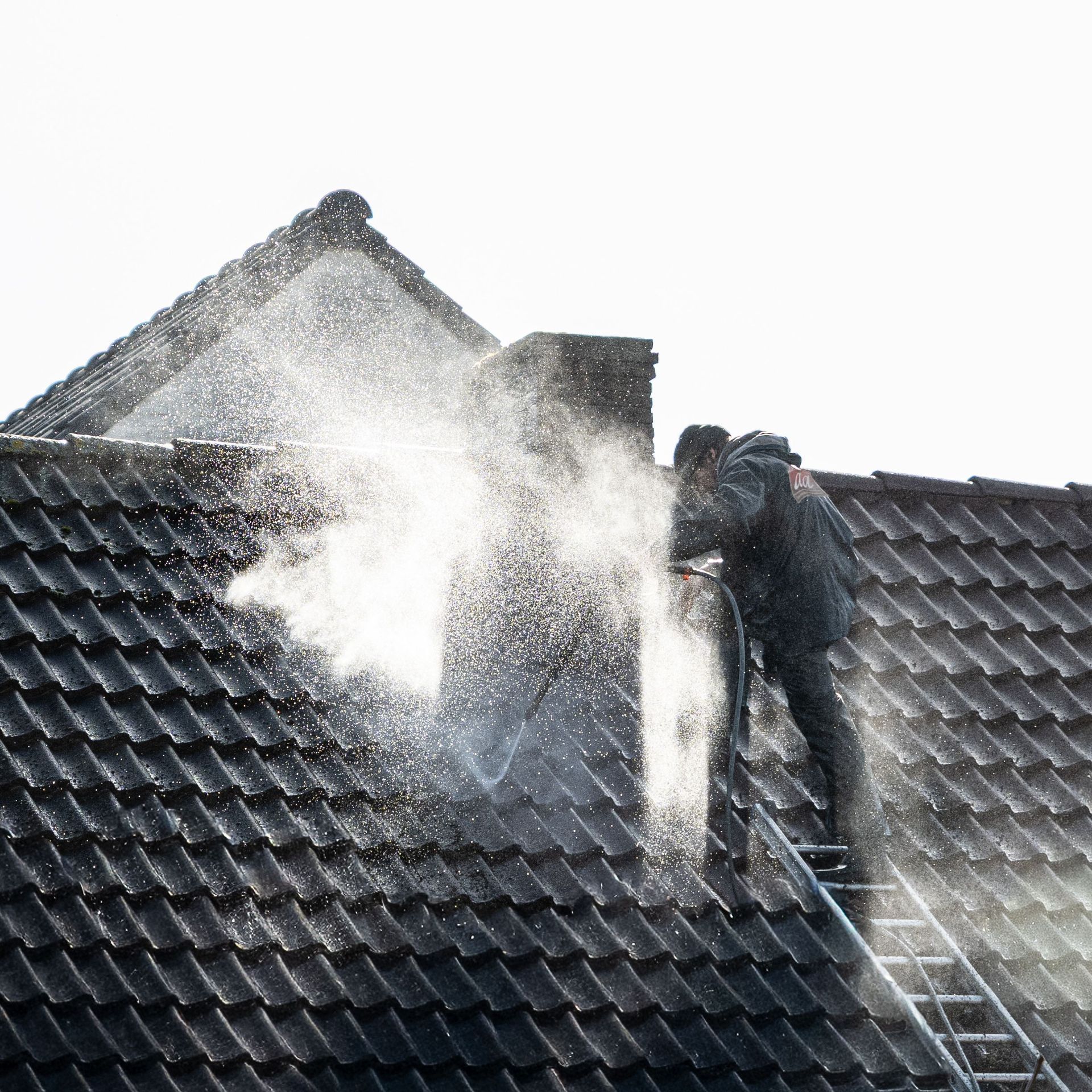
The tool most people reach for is the worst one for the job. A domestic pressure washer throws water hard enough to strip the surface off tiles, blast the granules off the top of slate, and drive water up under the courses where it has no business going. On the older Welsh slate you find across much of Chester, that damage is permanent.
Once you've forced water under the tiles, it doesn't just dry out and disappear. It sits in the roof space, soaks the timbers and the felt, and shows up weeks later as a damp patch on a bedroom ceiling. What started as a tidy-up ends as a repair bill, and the moss usually grows back faster than before because the roughened surface holds even more moisture.
3. Damaged Tiles and Slipped Slate
Walking on a roof is a skill, not something you pick up on the day. Tiles and slate are brittle, especially the older ones, and a footstep in the wrong place cracks them. Even standing a ladder against the gutter can bend it or knock tiles loose along the edge. Every cracked tile is a new way in for water.
The homes around Handbridge and the older parts of Boughton often have roofs that have been up for a century or more. Their slate has weathered but it's fragile, and replacements have to be matched carefully so the roof stays watertight and looks right. A DIY clean that leaves a scatter of chipped tiles behind can cost more to put straight than the clean would ever have cost.
4. You Won't Kill the Moss at the Root
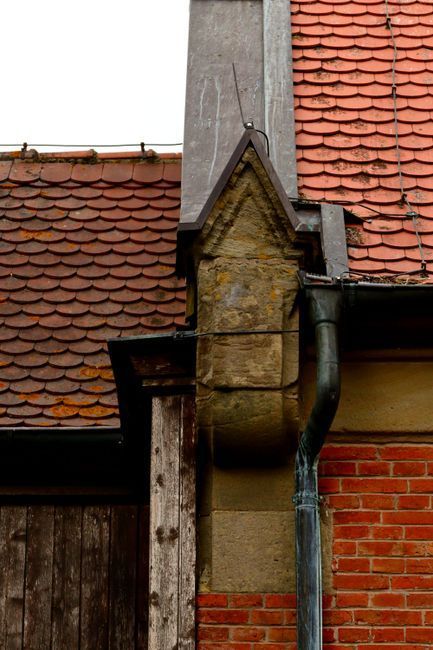
Scraping moss off with a brush or blasting it with water only takes the top growth. The spores and the root structure stay behind in the gaps and the surface of the tiles, so within a season or two the whole thing is back. You've done the dangerous part of the job and got a result that doesn't last.
A proper treatment uses a biocide that kills the growth at the root and keeps it from returning for a good while. It's the difference between mowing a weed and actually clearing it. Without that step, all the effort of a DIY clean buys you a few tidy months and then you're back where you started, ladder and all.
5. The Bits You Can't See From the Ground
A roof clean is also a chance to spot trouble early, and that only works if you know what you're looking at. A trained eye picks up on cracked mortar around the chimney, lifted flashing, a slipped tile, or a gutter joint that's starting to fail. Most homeowners simply won't notice these until they've turned into a leak.
With Chester's wet climate, small faults get found out quickly. Water finds every gap, and a tiny problem left alone through an autumn of Cheshire rain can become a soaked ceiling by winter. Cleaning the roof yourself means you get the risk of the job without the benefit of a proper look-over while you're up there.
6. Weigh Up What You Actually Save
The whole appeal of doing it yourself is saving money, so it's worth being honest about the sums. You'd need to hire or buy equipment, give up a day or more, and take on all the risk yourself. Set that against a broken slate, a damp ceiling, or a fall, and the maths rarely works in your favour.
Booking a professional isn't just about the clean. You're paying for the safe access, the right method for your type of roof, a treatment that lasts, and someone who carries the insurance if something goes wrong. For most Chester homes, that adds up to far better value than a risky Saturday on a ladder.
- Falls: Wet slate offers almost no grip, and tall Chester terraces make a slip genuinely dangerous.
- Pressure washing: High pressure strips tiles and forces water inside, causing damp and faster regrowth.
- Breakages: Brittle older slate cracks easily underfoot, and matching replacements is costly.
- Regrowth: Without a biocide treatment, moss returns within a season or two.
- Missed faults: A trained eye spots slipped tiles and failing flashing that you would walk straight past.
Frequently Asked Questions
Is it ever safe to clean my own roof?
Clearing a little debris from a low single-storey extension at ground-reachable height is one thing. Getting up onto a wet, pitched main roof to scrub moss is where the real danger starts, and that's best left to someone with proper access gear.
Can't I just use a pressure washer on a low setting?
Even at lower settings, a pressure washer can lift the surface off slate and drive water under the tiles. Low-pressure soft washing is a different process built around a biocide, not just a gentler blast.
What if I only clean the gutters, not the roof?
Gutter clearing is safer than roof work but still means working at height. Take real care with ladder footing, ideally have someone with you, and never overreach, since most ladder accidents come from stretching too far.
Will DIY cleaning void anything on my roof?
It can cause damage that a later repair won't be sympathetic to, and cracked or water-damaged tiles from rough cleaning are on you. A professional clean is done with the roof's condition in mind from the start.
How long does a professional roof clean actually take?
A typical Chester house is often done in a day, depending on size, pitch, and how heavy the moss is. That includes the clean and the treatment, with the full result showing over the following weeks.
Rather leave the ladder in the shed?
Ben's Roof Cleaning offers roof cleaning, moss removal and gutter cleaning across Chester and Cheshire, with over 15 years of experience. Get in touch or call 01244 207313
for a free, no-obligation quote.
The Cheapest Clean Is the One That Doesn't Go Wrong
There's nothing wrong with being handy and wanting to save a few pounds, but roof cleaning is one of those jobs where the downside is far bigger than the saving. A fall, a cracked run of slate, or water in the roof space will all cost you more than hiring someone would have, in money and in stress. On the older, damp-prone housing that fills so much of Chester, the safe and lasting result comes from the right access, the right method, and a treatment that actually holds the moss back. Leave the risk to someone equipped for it, and keep your Saturday.