How Often Should You Really Clean Your Roof?
You probably glance up at your roof twice a year at most, usually right after a storm has rattled a few tiles or when the gutters start dripping down the wall. The roof itself tends to get ignored until the moss is thick enough to spot from the pavement. That's completely normal, and it's also exactly how a small, cheap job turns into a big, costly one.
Here in Chester, roofs take a proper beating from the weather. The damp air rolling in off the River Dee, the mild and soggy winters, and the steady drizzle that hangs over the Cheshire plain all hand moss and algae the conditions they love best. So the real question isn't whether your roof needs cleaning. It's how often, and the answer depends on a handful of things worth understanding before you book anyone.
The quick answer: Most Chester roofs benefit from a proper clean every two to three years, though heavily shaded or north-facing roofs often need attention sooner.
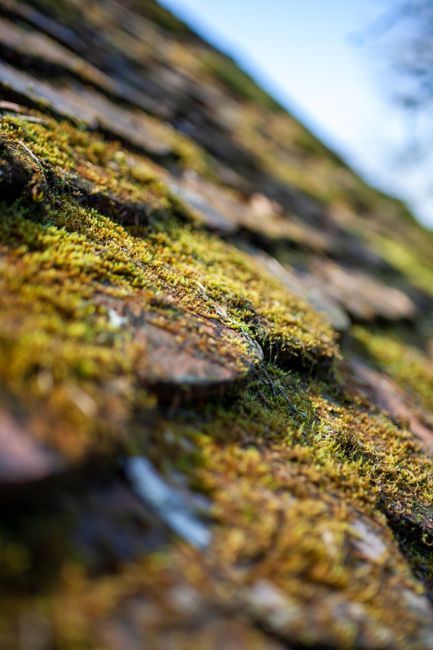
1. Why Chester's Climate Speeds Everything Up
Moss and algae don't need much to thrive. Give them moisture, a bit of shade, and something to cling to, and they'll settle in for good. Chester hands them all three. Sitting on the low, flat ground of the Cheshire plain, close to the Dee and not far from the Welsh hills, the city stays damp for long stretches of the year, and roofs rarely get the chance to fully dry out.
That matters because a roof that stays wet is a roof that grows things. Compare it to a drier part of the country and you'll find Chester homes greening over noticeably faster. It's why a roof that was cleaned five years ago in a bone-dry county might still look tidy, while the same roof here would be furred with moss again well before then.
2. Your Roof Type and Pitch Change the Timing
Not every roof ages at the same rate. A lot of Chester's Victorian and Georgian houses wear Welsh slate, which is dense and smooth and sheds water fairly well. Slate tends to hold moss a little less stubbornly than the concrete and clay tiles you see on newer estates around Vicars Cross or Saughall, where the rougher, more porous surface gives spores plenty to grip.
Pitch plays a part too. A steep roof lets rain run off quickly and dry faster, so it stays cleaner for longer. A shallow, low-pitch roof holds water and debris, which means moss builds up sooner and you'll be looking at a clean more often. If your home has a mix of pitches, it's normal for one slope to need doing well before another.
3. How Much Shade the Roof Gets
Shade is the single biggest factor most people overlook. A north-facing slope that barely sees the sun stays damp almost permanently, and that's where moss gets thickest first. If you're in a leafy part of the city like Hoole or Boughton, with mature trees crowding the street, your roof spends half its life in shadow and under a slow drizzle of leaf litter.
Overhanging branches make it worse in two ways. They block the drying sun and they drop organic matter that feeds the growth. A homeowner with a clear, open, south-facing roof might stretch to three years or more between cleans. Someone under a big sycamore in a shaded terrace could be looking at a clean every couple of years just to stay ahead of it.
4. Spotting the Signs It's Time
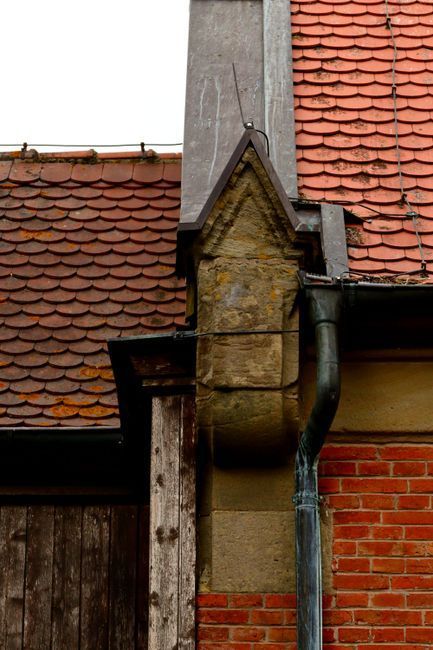
You don't need to climb up to know a clean is due. Green or black patches spreading across the tiles are the obvious one, but keep an eye on the gutters too. If you're finding crumbs of moss and grit washing out of the downpipes, or the gutters are overflowing in heavy rain, that's roof growth breaking loose and clogging the system.
Dark streaks running down from the ridge, tiles that look furry rather than crisp at the edges, and moss visibly bridging the gaps between tiles are all telling you the same thing. Once moss lifts the edge of a tile or holds water against it, you've moved from a cosmetic issue to one that can shorten the life of the roof. That's the point where waiting costs you more.
5. Regular Maintenance Beats the Big Rescue Job
There are two ways to look after a roof. You can wait until it's badly overgrown and pay for a heavy one-off clean, or you can keep on top of it with lighter, more regular care. The second approach is nearly always cheaper over time and far kinder to the roof itself.
A roof that's cleaned before the moss gets a real foothold needs a gentler treatment, which means less disturbance to the tiles and a better finish. Leave it a decade and you're dealing with thick, root-bound growth that takes far more work to shift. For a lot of Chester homeowners, a soft wash every two to three years with a follow-up treatment in between is the sweet spot.
6. Why Cleaning Too Hard Is Its Own Problem
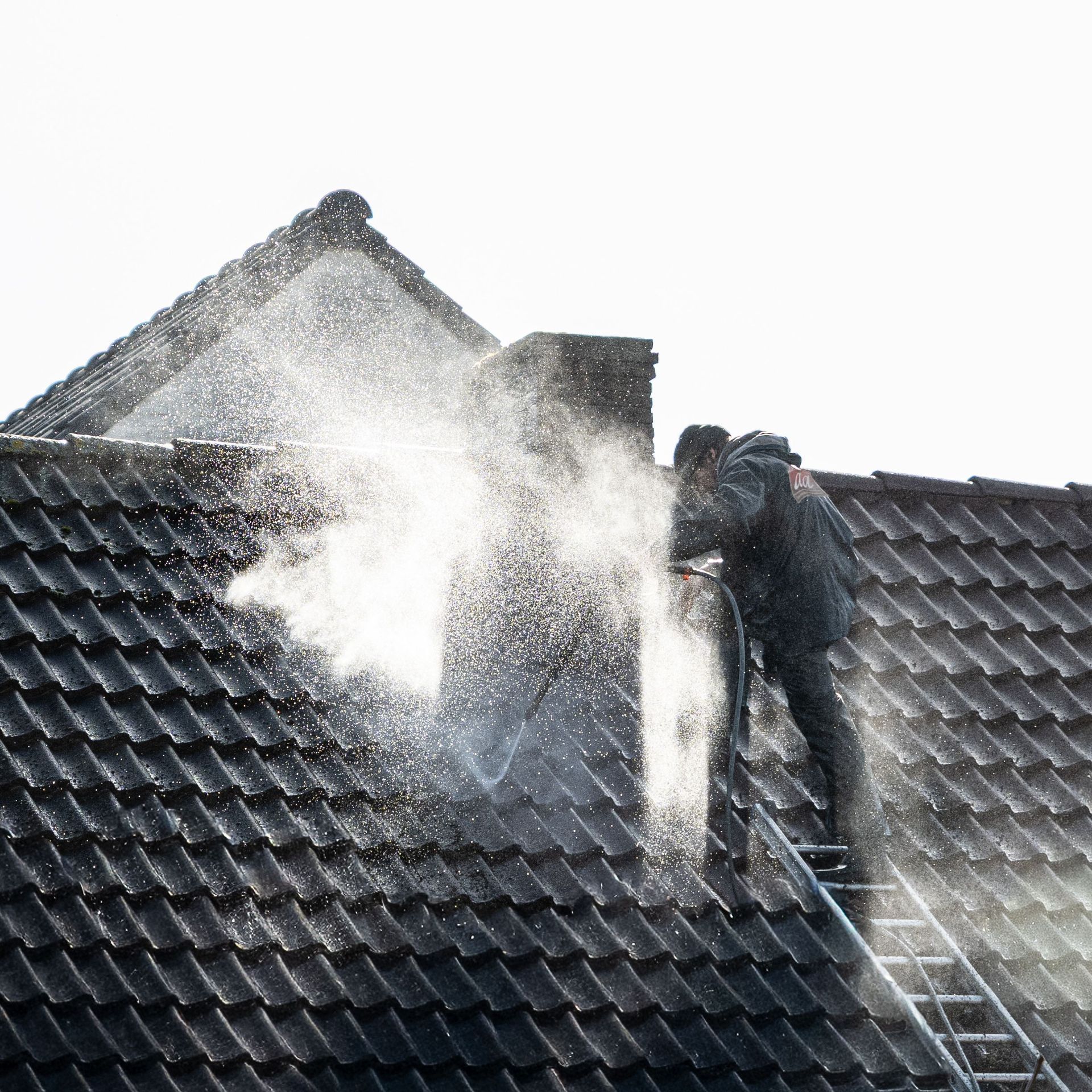
More often isn't automatically better, and how a roof is cleaned matters as much as when. Blasting slate or clay with a high-pressure jet might look satisfying, but it strips the protective surface off the tiles, forces water under them, and can leave your roof worse off than the moss ever would. On older Chester slate especially, that kind of treatment does real harm.
The gentler route is a soft wash, which uses low-pressure water and a biocide treatment to kill the growth at the root and let it weather away naturally. It's slower to reveal its full effect but it protects the roof and keeps it cleaner for longer. Getting the timing right and the method right together is what actually saves you money in the long run.
- Climate: Chester's damp air off the Dee keeps roofs wet and speeds up moss and algae growth.
- Roof type: Porous concrete and clay tiles hold growth more than dense Welsh slate.
- Pitch: Steep roofs dry fast and stay cleaner; low-pitch roofs need doing sooner.
- Shade: North-facing and tree-lined roofs in areas like Hoole and Boughton green over quickest.
- Method: A gentle soft wash protects tiles, while high pressure can cause lasting damage.
Frequently Asked Questions
How often should I clean my roof in Chester?
Every two to three years suits most local roofs. If yours is shaded, north-facing, or under trees, you may need it done a little sooner to stay ahead of the moss.
Can I just leave the moss if it doesn't bother me?
You can for a while, but it rarely stays cosmetic. Moss holds water against the tiles and clogs gutters, and over time that leads to damp problems and a shorter roof life.
Does a clean roof really last longer?
Yes. Keeping growth off the tiles stops water sitting where it shouldn't, which protects the surface and the fixings underneath and helps the whole roof reach its full lifespan.
Is winter a bad time to have it done?
Cleaning is usually best in the milder months, but a treatment can be applied across much of the year. What matters is avoiding hard frost, since freezing conditions and wet roofs don't mix well.
Will the moss just grow straight back?
Not immediately. A proper soft wash with a biocide treatment kills the growth at the root and slows its return for a good while, especially if you keep gutters clear and cut back overhanging branches.
Not sure when your roof was last cleaned?
Ben's Roof Cleaning offers roof cleaning, moss removal and gutter cleaning across Chester and Cheshire, with over 15 years of experience. Get in touch or call 01244 207313
for a free, no-obligation quote.
Getting the Timing Right Saves You Money
A roof isn't something you clean on a fixed calendar. It's something you keep an eye on and treat when the signs tell you to, and in a damp, tree-lined city like Chester those signs come round sooner than they would elsewhere. Get into a rhythm of a clean every two to three years, watch the shaded and north-facing slopes a little more closely, and you'll spend far less than the homeowner who waits until the moss is unmissable. Looking after the roof gently and on time is what keeps it sound for decades.